


Before you got your pooch, you likely imagined walking a dog would be a wonderful experience of long relaxing strolls, exploring neighborhoods and hiking trails. In those pre-dog fantasies, your four-legged sidekick likely trotted obediently by your side on a leash, following your every command and looking at you adoringly.
 Then you got your dog and the fantasy disappeared. Why does my dog have to stop and pee on everything? Why does he have to stop and sniff every blade of grass? It can be frustrating, but don't hang up the leash!
After all, walking a dog is important to his health and happiness. Walks keep your dog agile and limber and can help relieve issues like constipation, according to PetMD. Regular walks also help keep your dog from gaining unwanted pounds. Walking a dog can also go a long way toward reducing or eliminating destructive behavior. Dogs who haven't had enough exercise–who feel pent up or have extra energy–can turn to digging holes in your yard or chewing everything from your shoes to your couch cushions.
Walks with you also strengthen your bond with your pooch and give him a chance to meet and interact with other people and dogs in a controlled environment. Having a dog that is socialized is very important. Socialized dogs are typically happier and friendlier than unsocialized dogs, who can be anxious and fearful around new humans or animals.
And we haven't even talked about how walking a dog impacts your health! A study from Michigan State University and reported by the New York Times found 60 percent of dog owners who took their pets for regular walks met the federal criteria for regular moderate or vigorous exercise, with almost half of dog walkers getting an average of 30 minutes of exercise a day at least five days a week. In comparison, only about 30 percent of people without dogs got that much regular exercise.
But what is with your pup's strange habits on your walks? Let's take a look at some weird (and annoying!) things dogs do on the leash, why they do them, and how you can work to reduce the issue.
Dog Peeing while Walking
Why your dog does it: Dogs are territorial, and urine is a natural way a dog can mark his territory. It communicates to other dogs he's been there and that he has claimed this territory. Marking usually begins in puberty.
What to do: First, consult your vet. You want to make sure the fact that your dog stopping to relieve himself every 10 feet is, in fact, related to marking and not because of a health issue such as a bladder infection. If it's a behavioral issue, you can train him to reduce his need to mark as much, but it might be impossible to get him to stop it all together. Also, dogs that have not been spayed or neutered have a larger tendency to mark territory than those that have.


Conseils savoureux
Rolling in the Stink
Why your dog does it: When you encounter a dead animal, garbage, or anything else stinky, does your dog stop, drop, and roll? While it's not known exactly why dogs have this disgusting habit, one train of thought is that it's a trait inherited from wolves. They roll in the scent then take it back to their pack for further investigation.
What to do: Keep your stink-loving pup leashed on walks (this is an important tip regardless of whether he likes to roll in filth or not). Train him to recognize the command "leave it," then reward with a treat when he obeys. Never pull hard on his leash to yank him away from the smelly object to avoid injuring him.
Pulling on the Leash
Why your dog does it: Because you're moving too slow! Because you're moving in the wrong direction! Because he wants to!
What to do: This behavioral issue can be fixed with proper training. Use treats and positive reinforcement to get him to follow your pace instead. If you have a dog that pulls, you can also try a harness, suggests PetMD. A harness may help keep your dog from pulling away from you while leashed. Also, giving him less slack on the leash will help train him to stay close to you while walking. The more lead he has, the more he thinks that he has permission to explore the surrounding area causing him to pull on the leash.
Lying Down and Refusing to Move
Why your dog does it: He could be hurt, sick, or just plain tired.
What to do: Examine your dog. Are his paws rubbed raw? Is the cement too hot? Is he too hot? Let him rest and give him a drink. If that doesn't work and there's no obvious signs of injury, coax your buddy home with treats. Keep in mind your dog's abilities and exercise needs before embarking. An English bulldog, for instance, will likely have much different walk expectations than a Labrador retriever. Never force walking. If he truly isn't having it, come back and try again later. Forcing your pooch to walk when he doesn't want to could lead to injury. If it becomes a chronic problem, consult your vet to see if there is a larger health issue that you might not be aware of.
Walking Back and Forth
Why your dog does it: A dog's nose is much more powerful than yours. You can't sniff all the exciting smells of other animals and humans that he does. He's following scent trails when he's zigging and zagging in front of you and probably not even noticing he's tripping you.
What to do: Teach your dog to walk at a heel and on a certain side of your body. You can use verbal cues and treats to teach your dog how to walk nicely on a leash. However, a dog thoroughly enjoys sniffing so giving him an opportunity to do so when you're both comfortable is a nice thing to do for your pup. Again, keeping the leash short and close to you will help reduce this behavior and hopefully keep you from getting tripped up.
Biting the leash
Why your dog does it: Your dog is soooo excited that you're taking him on a walk that he has to release that energy somewhere. Suddenly your leash becomes a tug-of-war toy.
What to do: Teach your dog to relax at the sight of his leash rather than get overly excited. VetStreet offers some tips like training him against being too rambunctious and rewarding him when he sits and stays nice and calm when you break out the leash.
Going on a walk is likely to be one of the highlights of your dog's day. By training your pup and understanding why your dog does what he does, you can enjoy your daily rambles just as much as your dog does. Always keep in mind that a walk is just as important and fun for your dog as it is for you. So, while his habits might be a little annoying sometimes, understand that it's also okay to let a dog be a dog... just maybe not roll in stinky things.

Produits Similaires
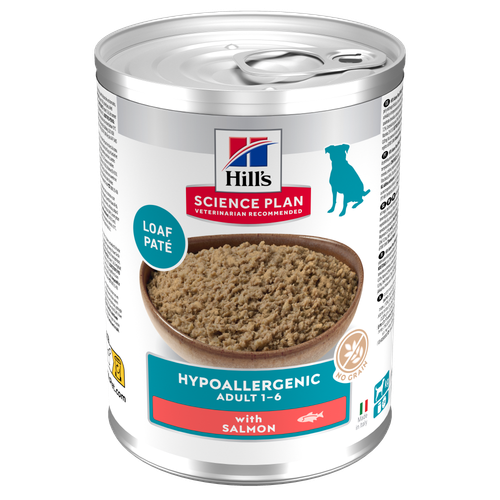
Hypoallergenic Pâté pour Chien Adulte au Saumon
Hill's Science Plan Hypoallergenic Adult, une nourriture humide au saumon, est un aliment complet destiné aux Chiens adultes âgés de 1 à 6 ans. Conçu pour les Chiens à la peau et à l'estomac sensibles, il contient une seule nouvelle source de protéines animales et ne contient pas de céréales.
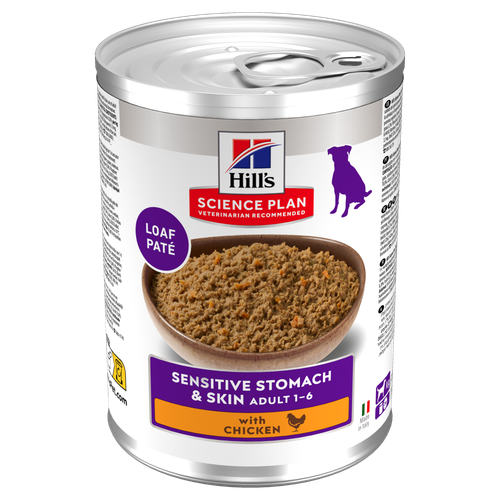
Sensitive Stomach & Skin Pâté pour Chien Moyenne et Grance Race Adulte au Poulet
Hill's Science Plan Sensitive Stomach & Skin, aliments humides au poulet, est un aliment complet destiné à favoriser une bonne digestion et une peau saine chez les Chiens adultes âgés de 1 à 6 ans.
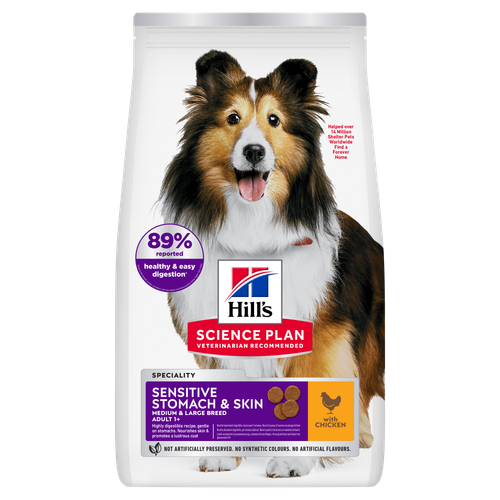
Sensitive Stomach & Skin - Croquettes pour Chien Adulte - Moyenne et Grande Race - au Poulet
Hill's Science Plan Sensitive Stomach & Skin pour Chiens adultes de races moyennes et grandes, au poulet, est un aliment complet destiné aux Chiens adultes de races moyennes et grandes âgés d'au moins 1 an.
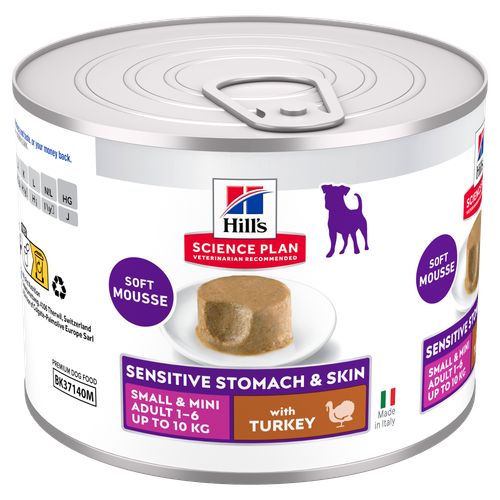
Sensitive Stomach & Skin Mousse pour Chien Petite Race Adulte à la Dinde
Hill's Science Plan Sensitive Stomach & Skin Small & Mini Adult Mousse à la dinde est un aliment complet destiné à favoriser une bonne digestion et une peau saine chez les Chiens adultes de petite taille âgés de 1 à 6 ans.
Articles Similaires

Qu'est-ce que le syndrome du petit chien?
Découvrez les causes du syndrome du petit chien et apprenez à prévenir les problèmes de comportement chez les petits chiens. Vous trouverez d'autres conseils sur la santé et le comportement canins sur Hill's Pet FR.

La science derrière le chien et son comportement
Découvrez comment la science du chien nous permet de mieux comprendre le fonctionnement interne du meilleur ami de l’homme.

Soins dentaires pour chien : conseils et solutions pour des dents saines
Découvrez des astuces efficaces pour nettoyer les dents de votre chien ainsi que des conseils généraux pour préserver sa santé dentaire. Consultez le site Hill’s Pet FR pour obtenir des conseils d’experts.

Vomissements et Diarrhée Chez le Chien : Quand Faut-Il s’Inquiéter et Que Faire ?
Votre chien vomit ou a la diarrhée ? Découvrez ce qui est normal, ce qui ne l’est pas et quand consulter grâce à ce guide destiné aux propriétaires et validé par des vétérinaires.

Mettez votre chien au régime sans qu'il le sache
Notre formule hypocalorique vous aide à contrôler le poids de votre chien. Riche en protéines de haute qualité pour développer une masse musculaire maigre, elle est élaborée avec des ingrédients ciblés pour un repas savoureux et nutritif. Des antioxydants cliniquement prouvés, comme les vitamines C et E, contribuent au bon fonctionnement du système immunitaire.
Mettez votre chien au régime sans qu'il le sache
Notre formule hypocalorique vous aide à contrôler le poids de votre chien. Riche en protéines de haute qualité pour développer une masse musculaire maigre, elle est élaborée avec des ingrédients ciblés pour un repas savoureux et nutritif. Des antioxydants cliniquement prouvés, comme les vitamines C et E, contribuent au bon fonctionnement du système immunitaire.